Key takeaways
- Rules vary by city, county and neighborhood, so ask before you build.
- Common limits cover size, height, distance from property lines and use.
- Electrical work and larger buildings usually need a permit.
- HOAs often add rules on color, materials and location.
Start with the right office
Inside Nashville and Davidson County, the codes department handles accessory building rules. Other cities and counties have their own offices. Call or look up the zoning rules for accessory structures at your address.
Write down the answers and who gave them.
Common limits
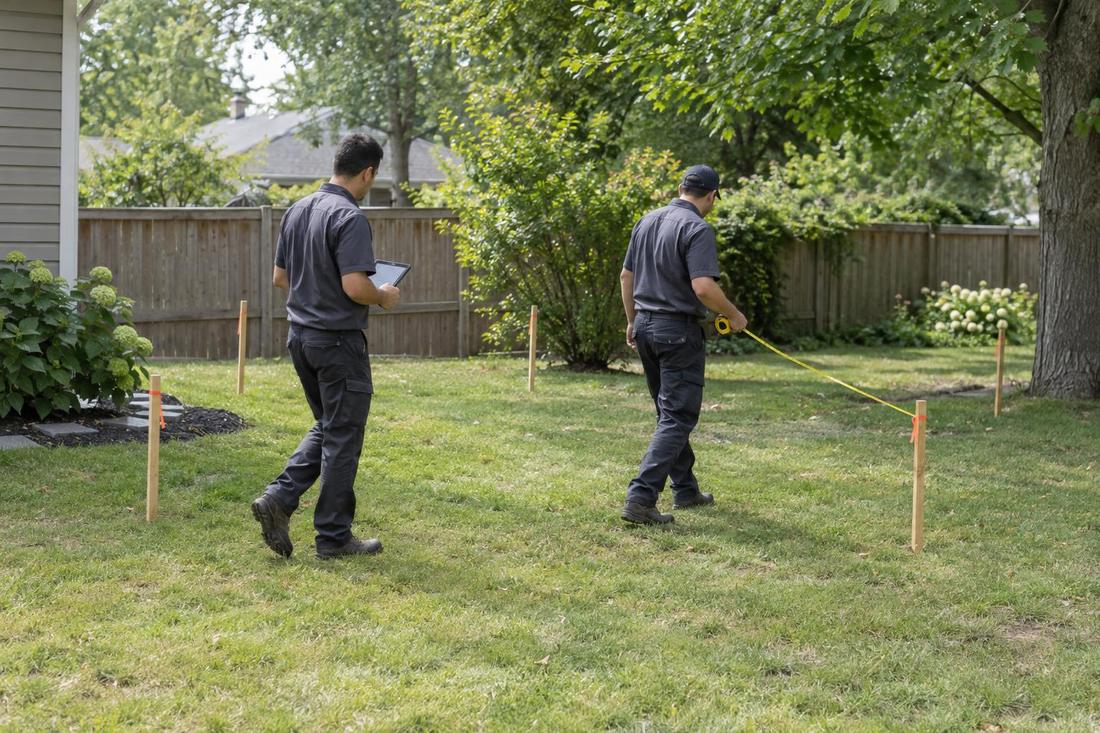
Rules often limit the footprint, the height and how close a building can sit to a property line or an easement. Some places count sheds against a total for accessory buildings. Garages and studios can fall under different rules than simple storage sheds.
Ask about both zoning and building permits.
Electrical and plumbing
Adding power, heat or plumbing usually requires a permit and a qualified tradesperson. Running an extension cord is not a safe permanent solution. If you plan to add power later, plan the building and the route now.
Ask whether an inspection is required.
HOA rules
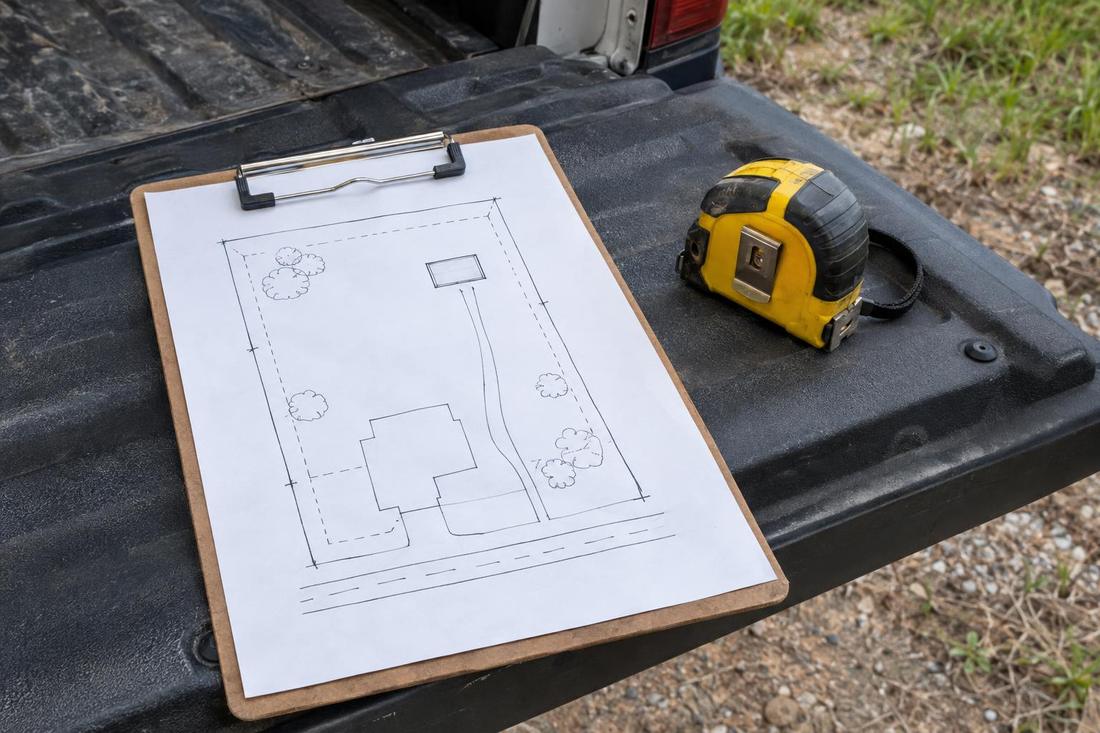
Subdivisions often require approval of the location, the size, the color and the materials. Get the guidelines first, then submit a sketch and a description. Approval can take time, so allow for it in your schedule.
We can prepare the sketch and the description.
Official sources and further reading
These are independent organizations. Links open in a new tab.
Quick answers
Do I need a permit for a small shed?
Often not for the smallest sheds, but it varies widely. Always ask.
Who decides if my shed is allowed?
Your local government and your HOA, not us. We help with the information.