Key takeaways
- Power to a shed should be run to code by a qualified electrician.
- Insulation works best with ventilation and a plan for moisture.
- Mini-splits are a common choice for small buildings.
- Plan the building for wiring before the walls close.
Getting power to the shed
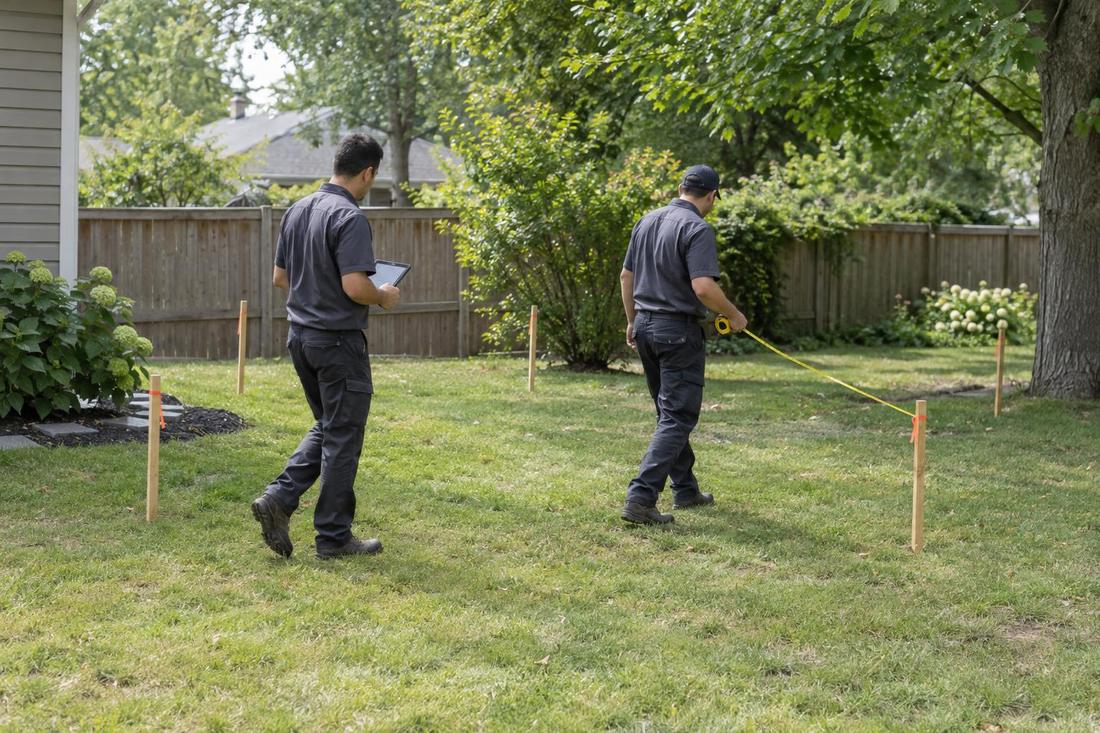
A safe power run uses buried or overhead cable from the house or the panel, a subpanel in the shed and protected outlets and lights. It requires a permit and an inspection in many places. The route must avoid utilities and be deep enough.
Planning the route and the panel location early saves rework.
Outlets and lighting
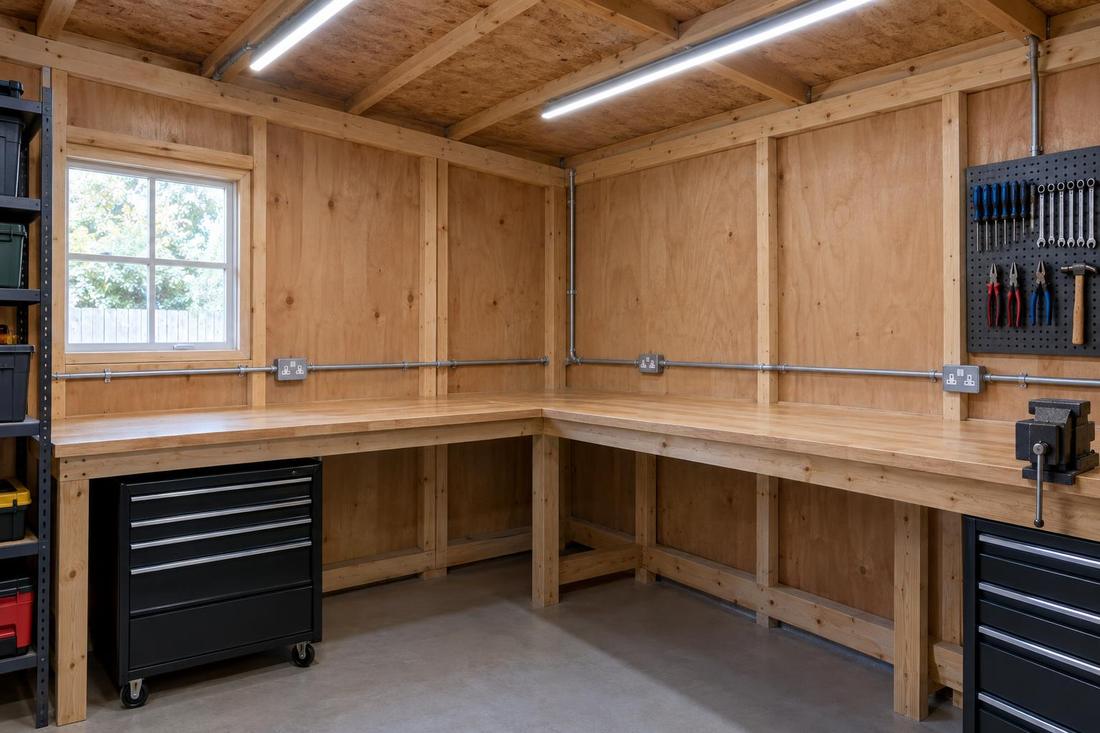
Outlets at bench height and by the door make a shed work. LED lights, with a switch at the door, save energy and give good light. Outdoor lights add security.
Tell us what you will plug in and we plan the circuit.
Insulation and moisture
Insulation slows heat flow, and a vapor plan and ventilation keep moisture from collecting inside. In humid Tennessee summers condensation is a real issue in uninsulated metal and wood buildings.
Ventilation helps even in an insulated building.
Heating and cooling
A mini-split heats and cools a small insulated room efficiently. Portable heaters need caution in small spaces. For a workshop with dust or fumes, plan ventilation and avoid open flames.
Match the system to the use and the hours.
Official sources and further reading
These are independent organizations. Links open in a new tab.
Quick answers
Can I run a cord from the house?
It is not a safe permanent solution. We recommend a proper circuit.
Does a shed need a subpanel?
Often yes, for more than a few lights. A qualified electrician decides.