Key takeaways
- List what must fit, including the mower, then add room to move and room to grow.
- Gable roofs are simple, barn and gambrel roofs add headroom, and lean-tos fit tight spaces.
- Wide doors and a good floor matter more than fancy trim.
- Check local limits on size and height before you fall in love with a plan.
Start with what goes inside
The right size comes from what you store and do. Measure the mower, the bikes and the biggest box, and sketch how you will walk around them. People almost always wish they had gone a size up, so leave room to move and to grow.
If you will work in the shed, add space for a bench and for open floor.
Pick a roof style
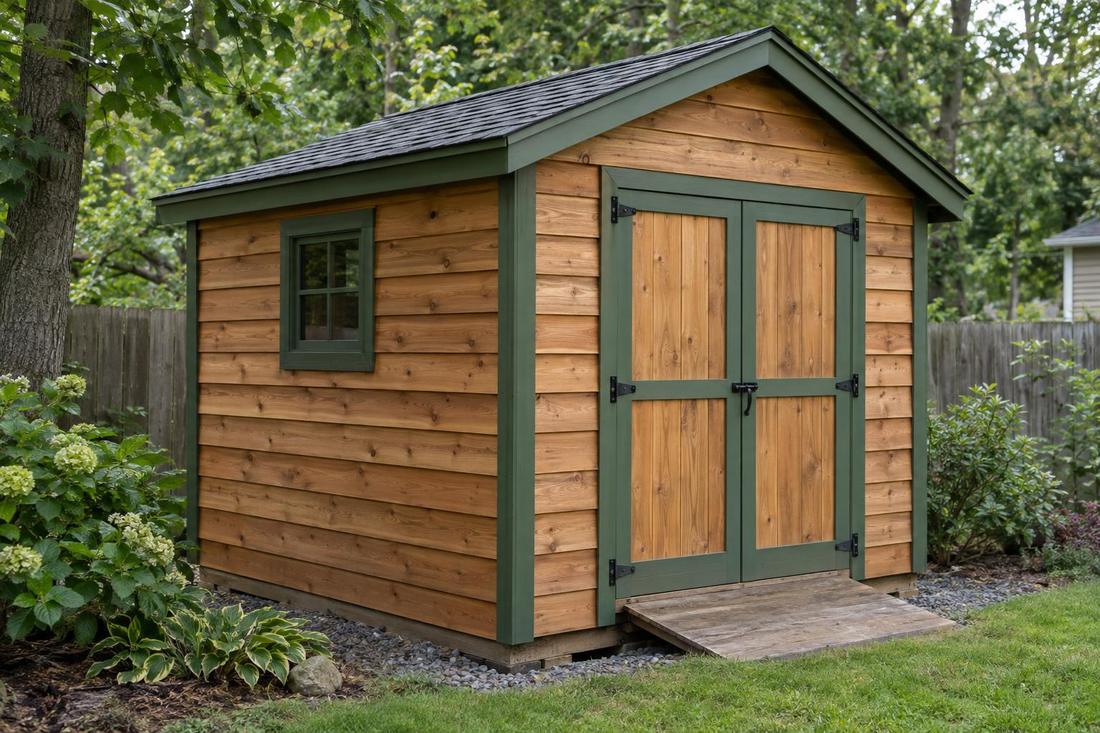
A gable roof is the classic peak and is simple and strong. A barn or gambrel roof adds headroom and makes a loft practical. A lean-to has a single slope and suits narrow spots against a fence or a wall. The roof style changes the look and the usable space more than almost anything else.
Match the style to your house and your yard.
Plan the doors and the floor
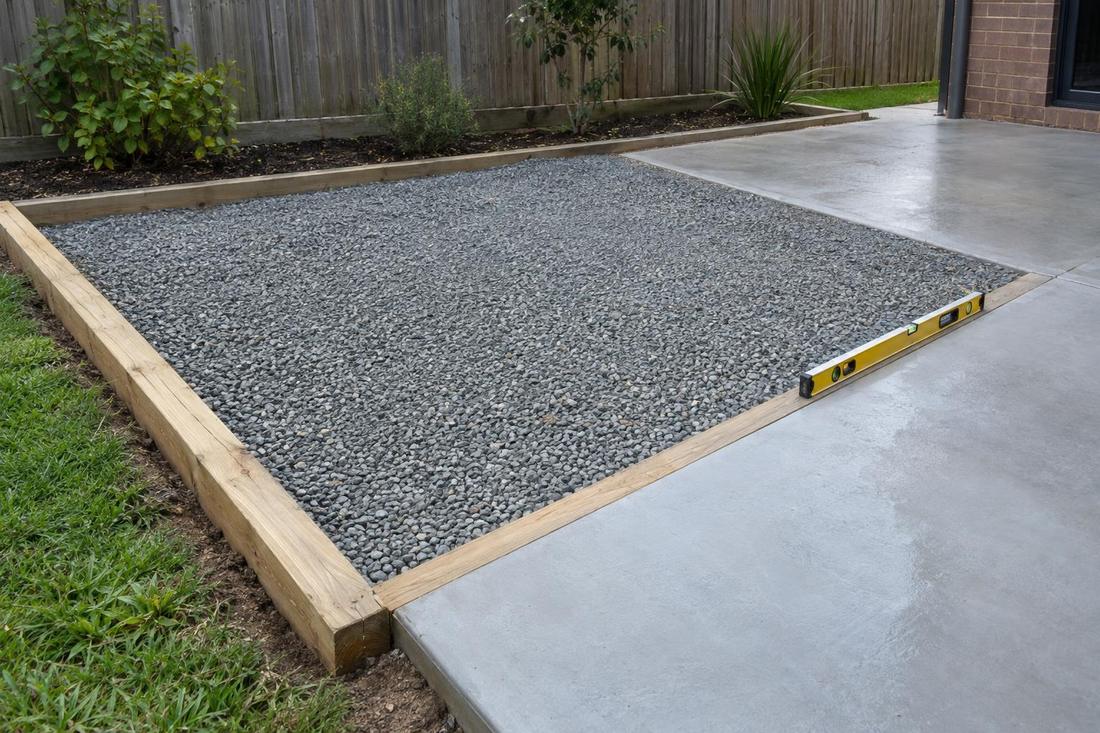
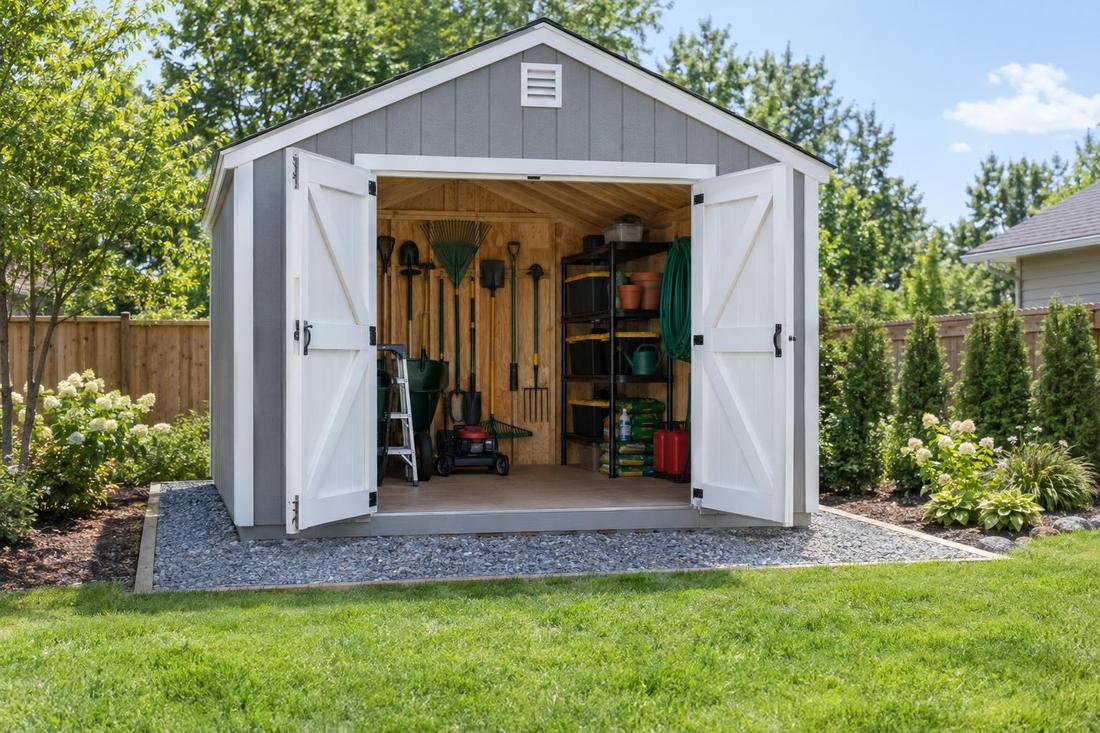
Doors decide how easy the shed is to use. Double doors of at least the width of your widest item, a low threshold or a ramp and a strong floor make a shed a pleasure. Windows add light and a feeling of space.
Tell us what must roll in and we plan the opening.
Check the rules
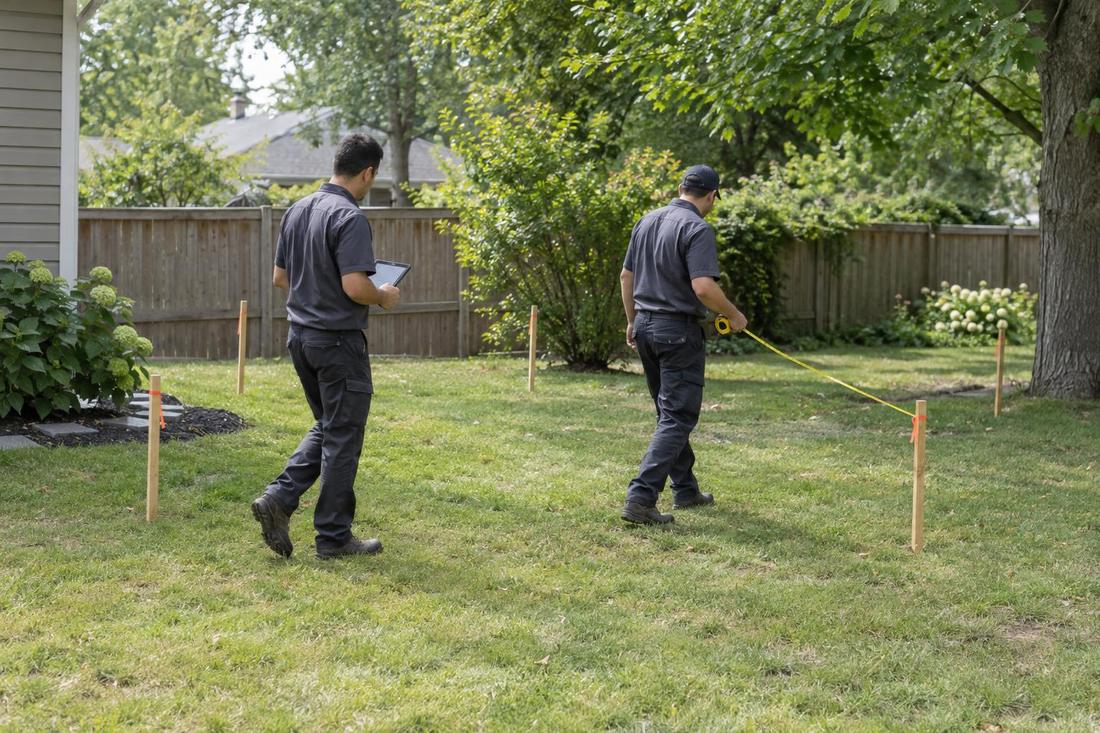
Many places limit shed size, height and distance from the property line, and subdivisions often add rules on color and materials. Checking early avoids redesigns.
We can help you prepare the questions to ask your city or association.
Official sources and further reading
These are independent organizations. Links open in a new tab.
Quick answers
What is the most common shed size?
Sizes vary a lot. We help you choose a size from what you plan to store.
Can I add a loft later?
Sometimes. It is easier to plan it from the start.