Key takeaways
- Moisture comes from the ground, the roof and the air.
- Vents, drainage and a lifted floor keep a shed dry.
- Seal gaps with metal and sealant so mice and insects cannot get in.
- Do not stack items against the walls or store them on the floor.
Where the water comes from
Water reaches a shed from below, when the ground is wet and the floor sits on it, from above, when the roof leaks, and from the air, when humid air condenses on cool surfaces. Finding which one is the problem is the first step.
A musty smell and dark spots are signs to look for.
Ventilation and drainage
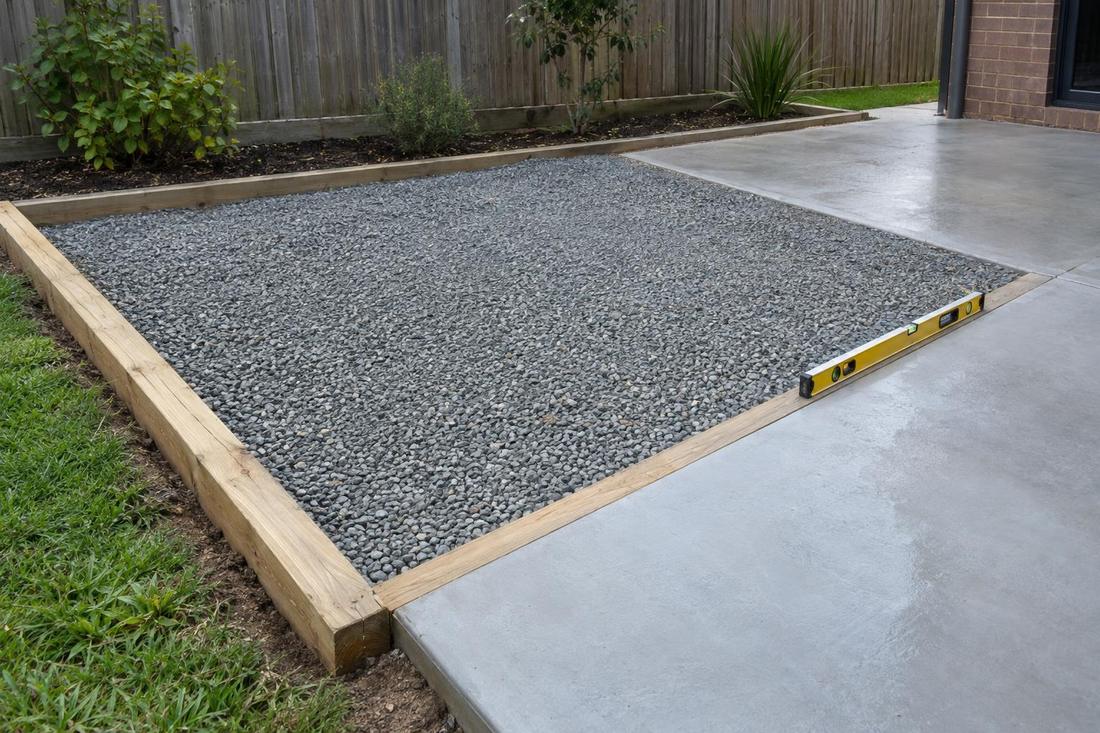
Gable, soffit or ridge vents let moist air out. Gutters or grading move water away from the base. Keeping vegetation back and the floor off the soil lets the base dry out after rain.
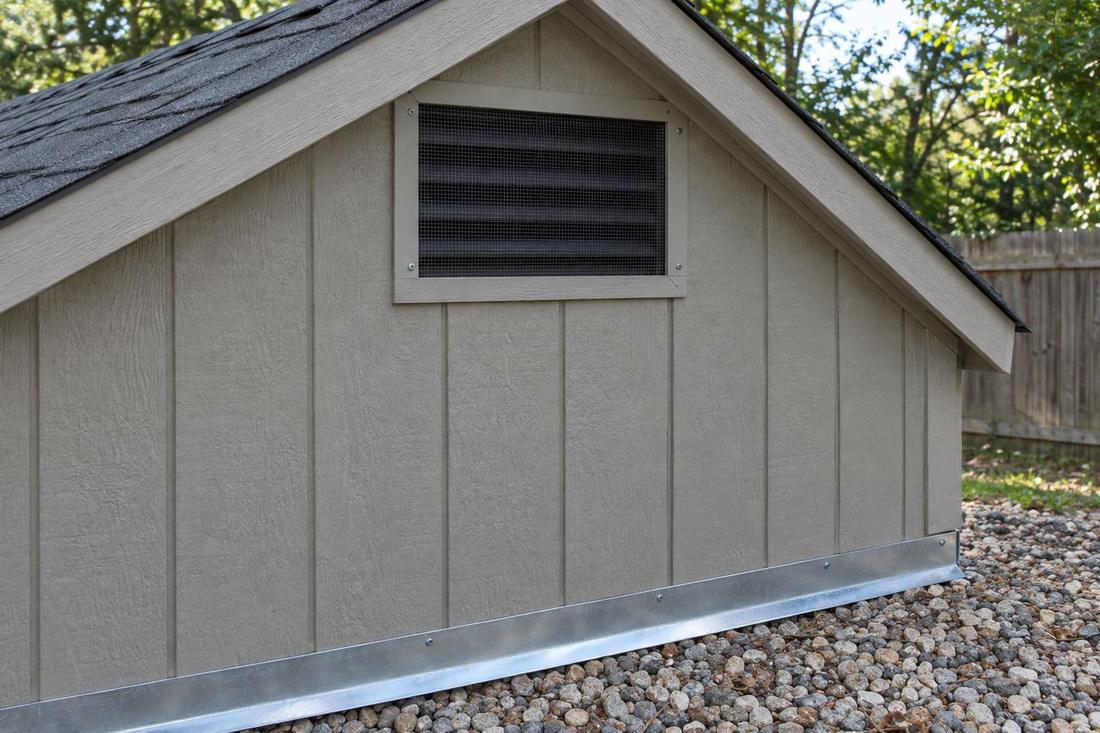
Screened vents keep insects out while air moves.
Keeping pests out
Mice squeeze through tiny gaps, wasps build under eaves and termites move in through soft or wet wood. Seal gaps with metal and sealant, keep wood off the ground and store food, seed and pet feed in sealed containers.
Active infestations call for a pest control professional.
Storage habits
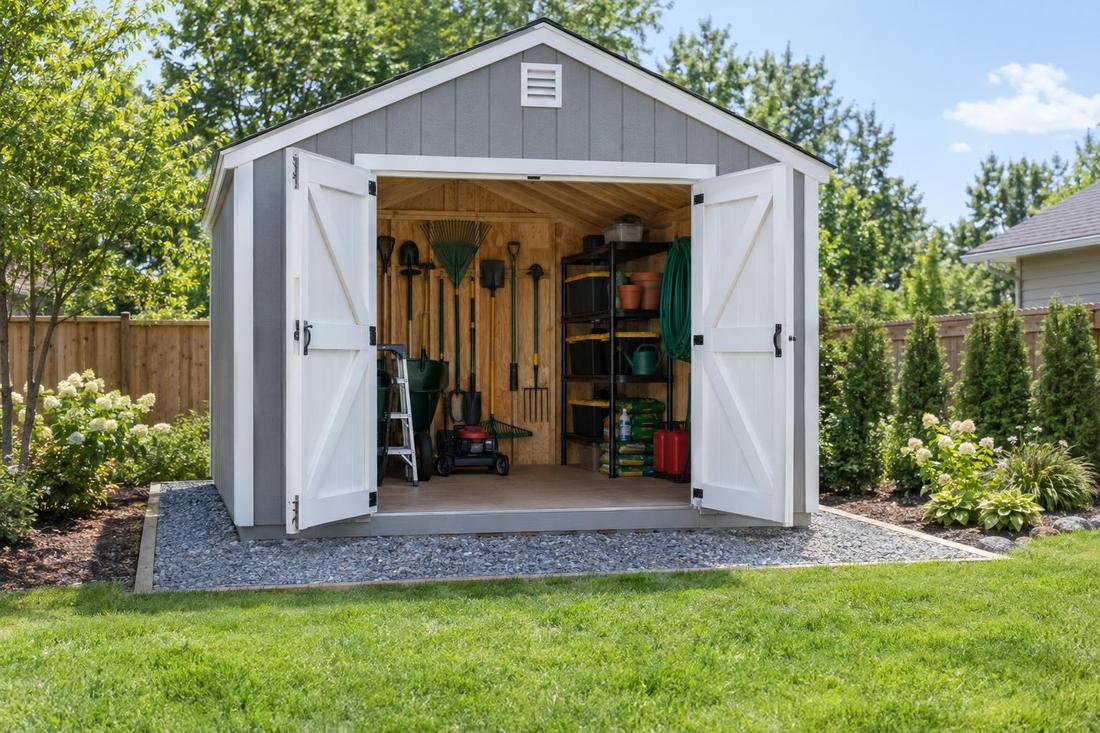
Shelving lifts items off the floor, and a bit of space between boxes and the walls lets air move. Clear out clutter now and then and check the corners.
These small habits prevent most problems.
Official sources and further reading
These are independent organizations. Links open in a new tab.
Quick answers
Do I need vents on a small shed?
Usually yes, even a small one.
Will a dehumidifier help?
It can in a powered, insulated shed, but fixing the source works better.